
Nordberg fort – heritage and heavy guns
Photo: Hanne Feyling / Visit SørlandetNordberg Fort is the best-preserved coastal fort from the Second World War in the Nordic countries. Built by the German occupying forces in 1942, the fort was meant to protect the Norwegian coast against a British invasion. Its three large sea-facing guns could fire shells 22,000 metres out to sea.
Soviet prisoners of war helped build the fort; on Lista there were seven prison camps holding several thousand prisoners of war. The original German buildings still stand today, and it is these that visitors from near and far come to experience.
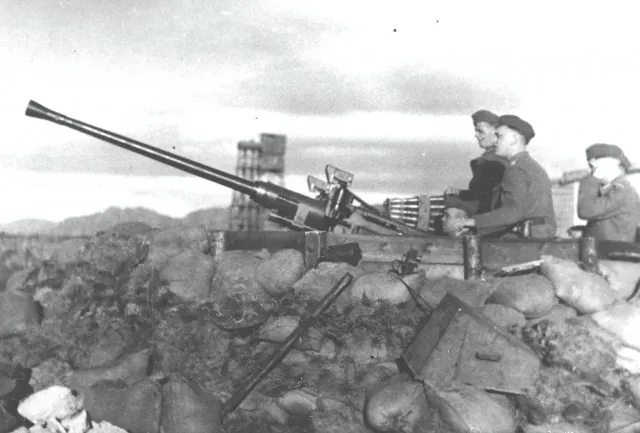
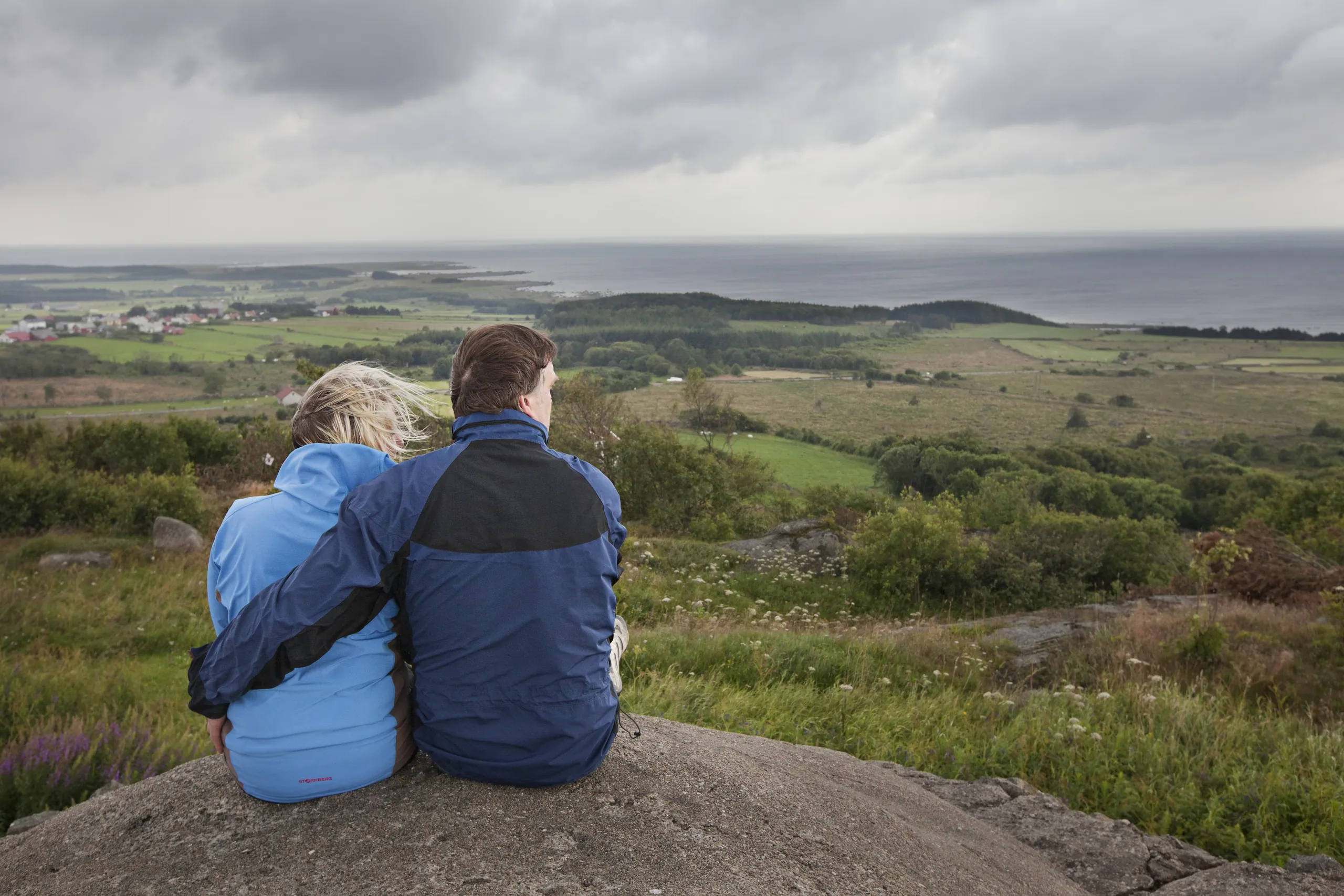
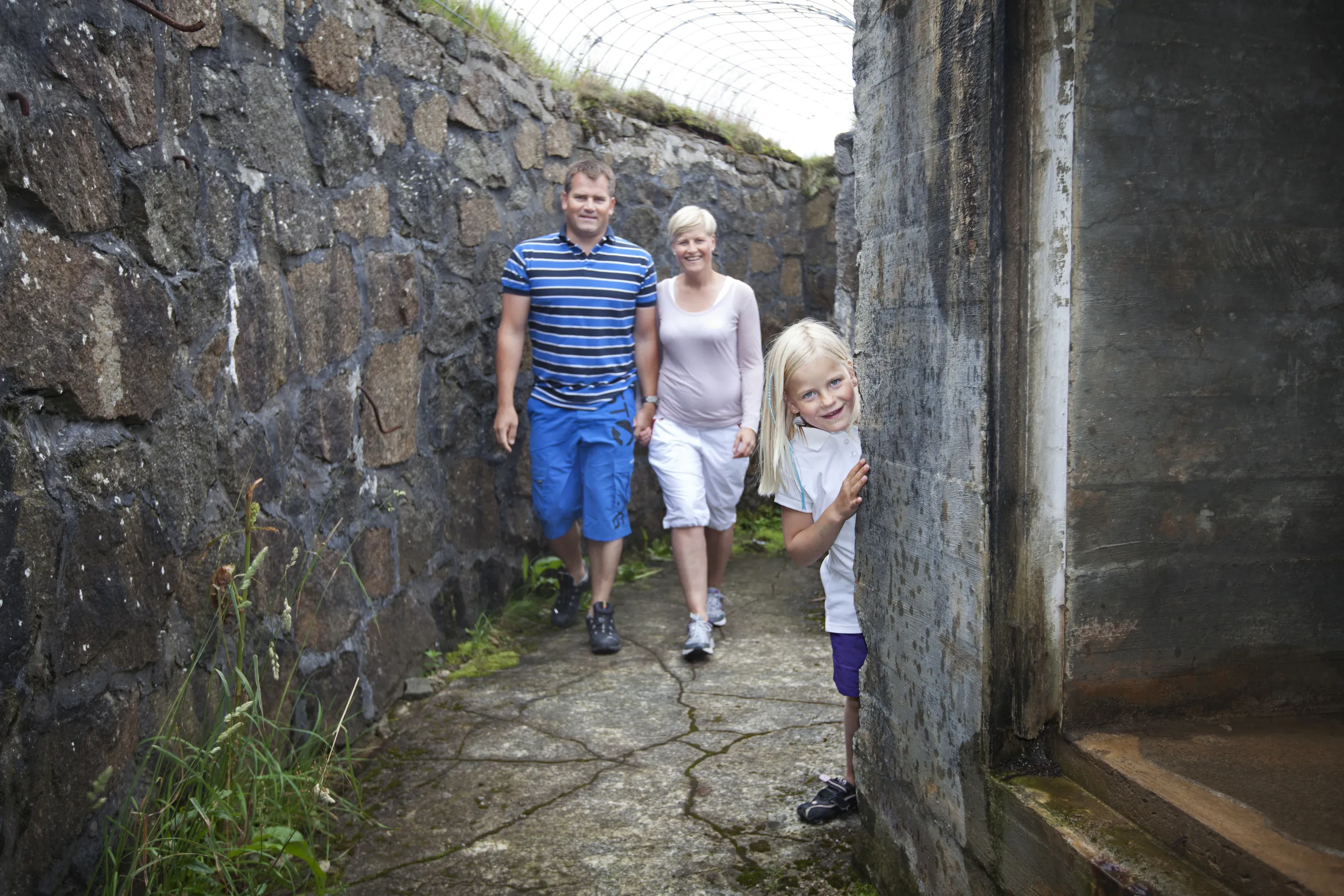
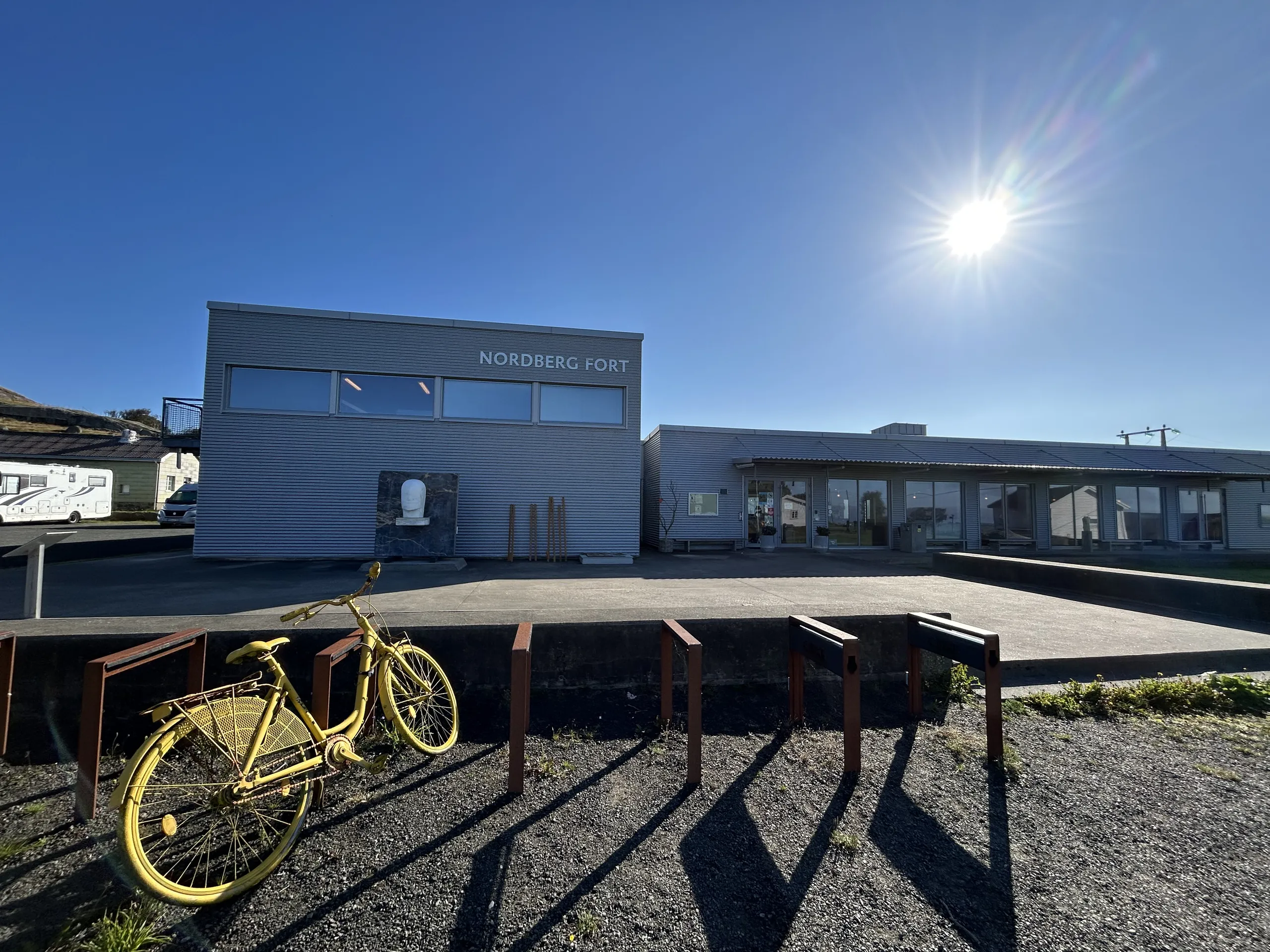
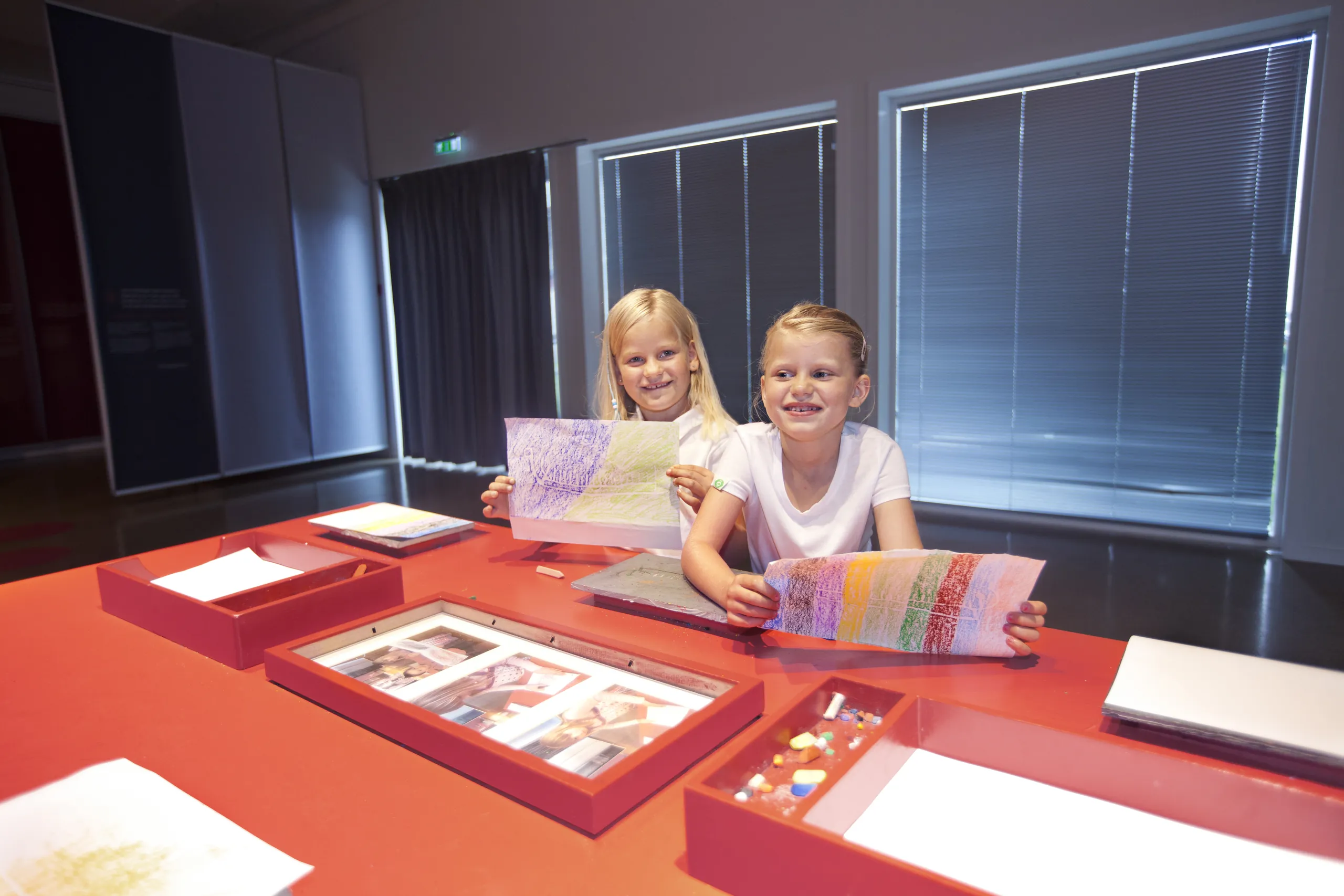
Today Nordberg fort is well set up for anyone with a taste for history, magnificent views and exciting cultural experiences. Visitors can, for example, explore the trenches, see the remains of the big guns and visit the newer visitor centre with exhibitions, a café, activities and a museum shop. Concerts and other cultural events are also held at the fort.
About the fort
- Buildings
- 19, plus the foundations of four more and several bunkers
- Soldiers
- Around 120 German soldiers were stationed at the fort
- 1945
- The Germans left the fort (and Norway) after the capitulation
- 1950–1995
- The Norwegian Home Guard took over the site, which remained in use until 1995
Nordberg fort is one of the few German coastal forts still preserved in its original form. The listed heritage site is owned and managed by Vest-Agder county. The canteen stands out in particular, with its unique, preserved murals. The canteen building is decorated with paintings by Rudolf Lüdtke and masonry by Kurt Urbicht.
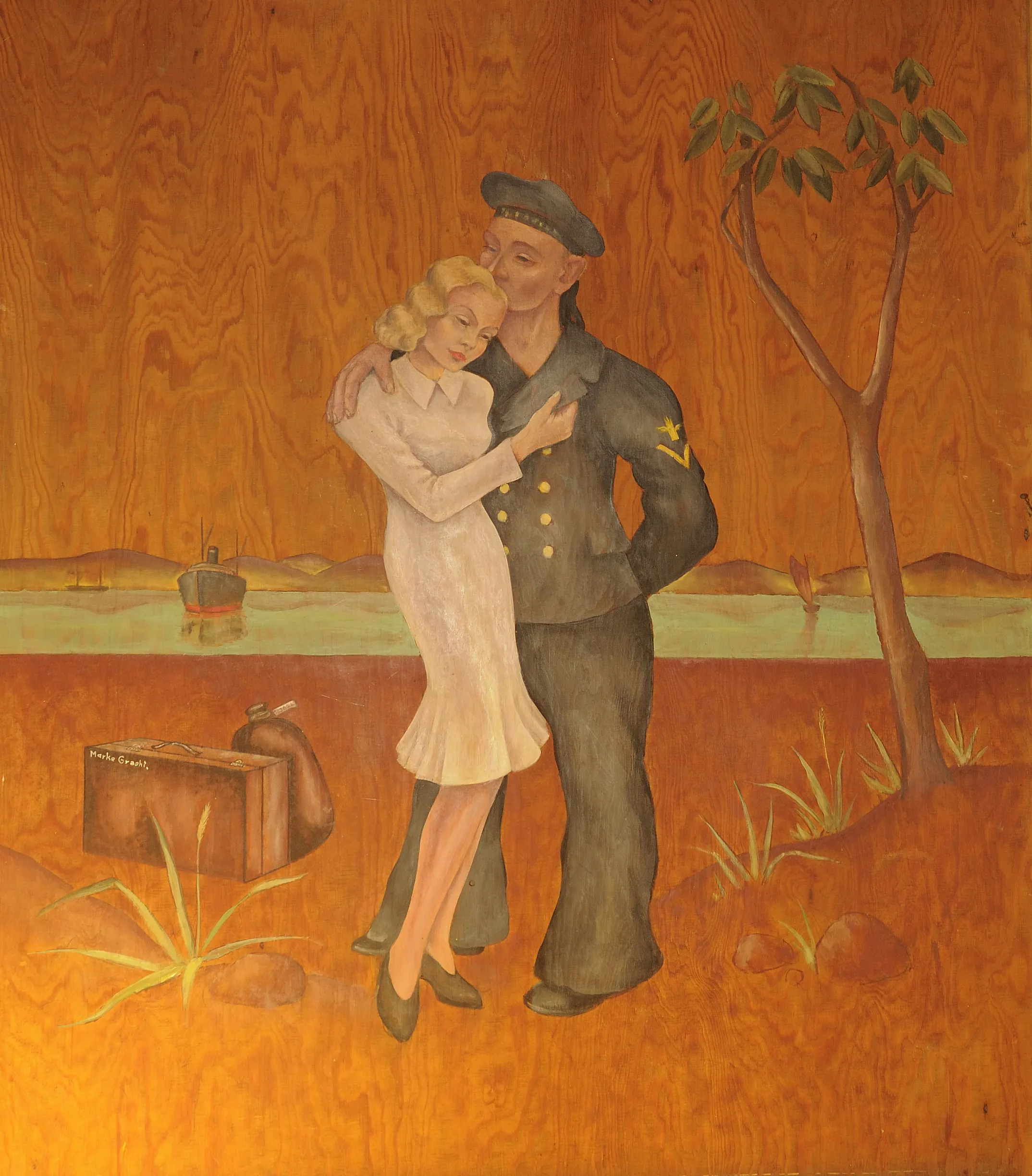
Nordberg fort tells a powerful story. What was once a place devoted to war and occupation has become an important heritage site, holding history, knowledge, art and music for young and old.
Want to know more? Visit Lista Museum – Nordberg fort.