
Kvinesdal · 600 m above sea level
Knaben– when a small mining community became world history
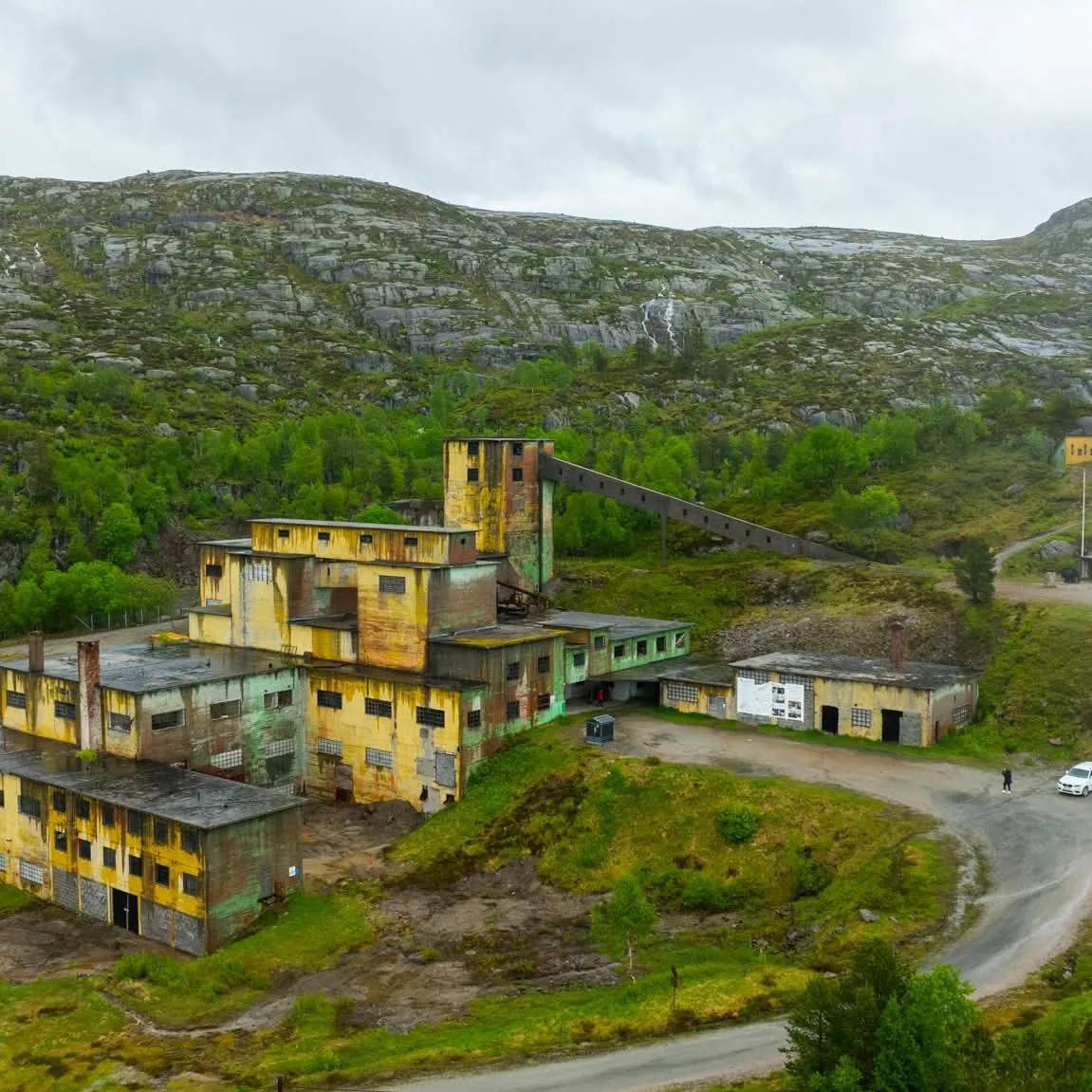
The mining village of Knaben lies 600 metres above sea level, surrounded by peaks reaching up to 1,000 metres. Once it was a lively mining community, where hard work, house building, a village shop and everyday life with children, dinners and social gatherings grew up for hundreds of people. All of this happened because of the valuable metal molybdenum.
The element molybdenum
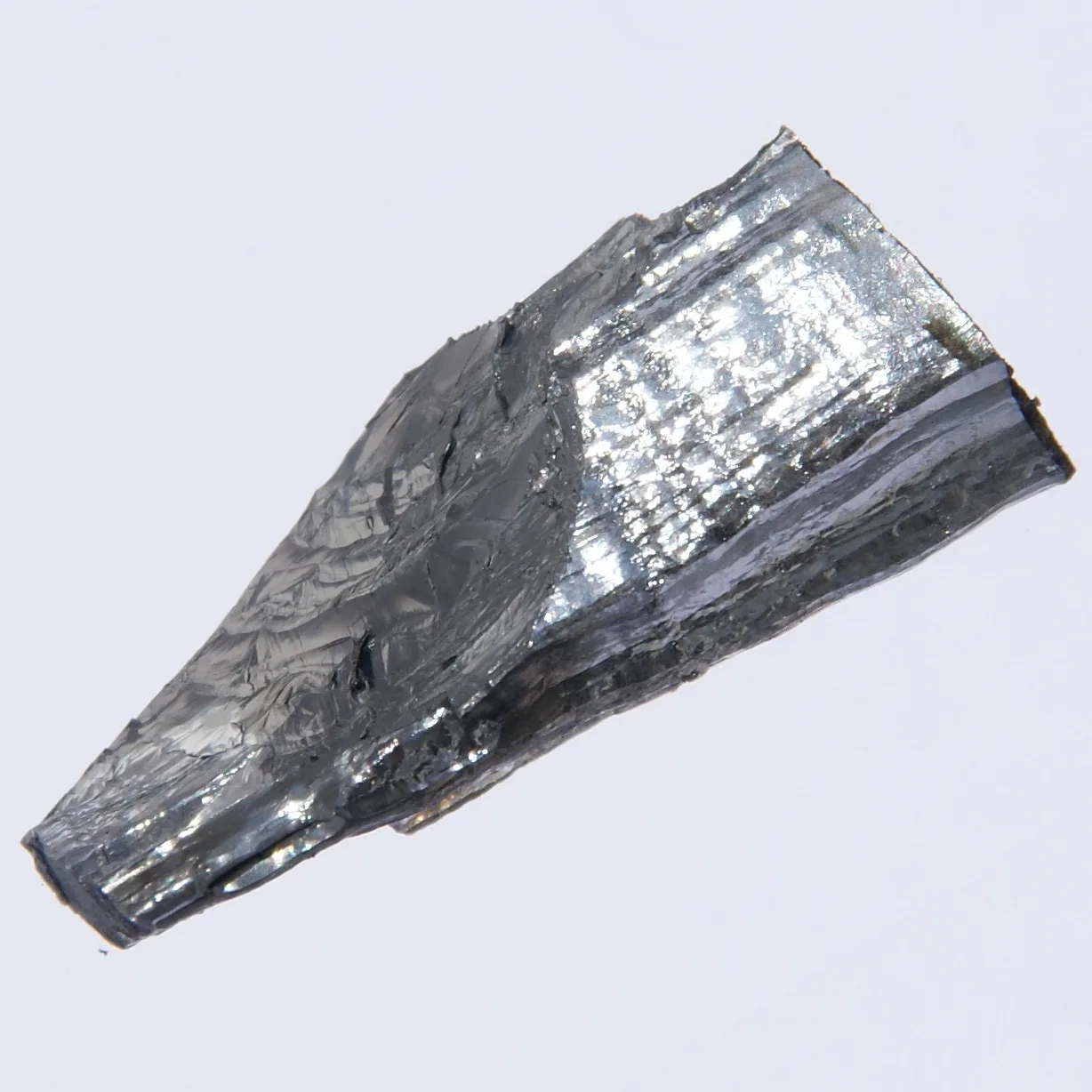
- Symbol
- Mo
- Melting point
- 2615 °C
As early as the 1700s, the farmers at Knaben knew about the pencil-like mineral in the mountain, which they picked out by hand and sold in town. The substance was valuable and could be used for pencils, as grease for cart wheels and to keep stove plates shiny.
The metal molybdenum is used to make steel both stronger and more heat-resistant. That was worth its weight in gold to industry. But it would take time. Knaben Gruver opened in 1885, but the market was small and prices were low. Only in 1897 was it discovered that the metal could be used in steel alloys – and molybdenum gained a new status. But the market was still uncertain.
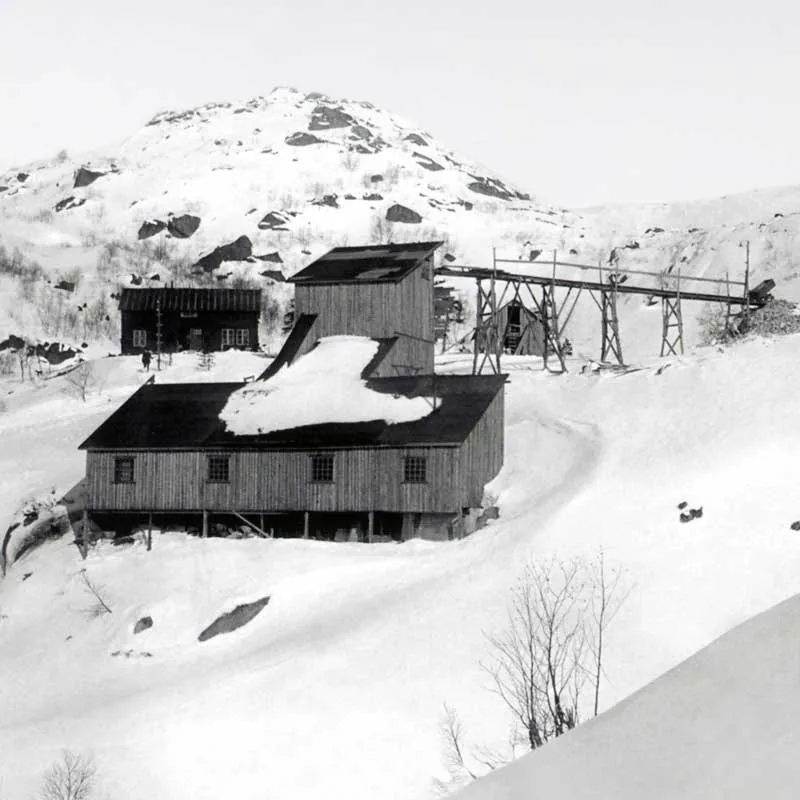
In 1913, everything pointed upwards for mining at Knaben, because of the looming threat of war. In war, the metal would become important. The British and the Germans outbid each other, and molybdenum from Knaben sold for record prices. There was a Klondike atmosphere in Kvinesdal.
When peace came after the First World War, the need for molybdenum disappeared, and stocks around the world were full to bursting. Hard times followed in the mines. In the 1930s the trend turned, and operations grew once more. At that time, more than 700 people are thought to have lived in the mining community, the children went to school and the mountain village flourished.
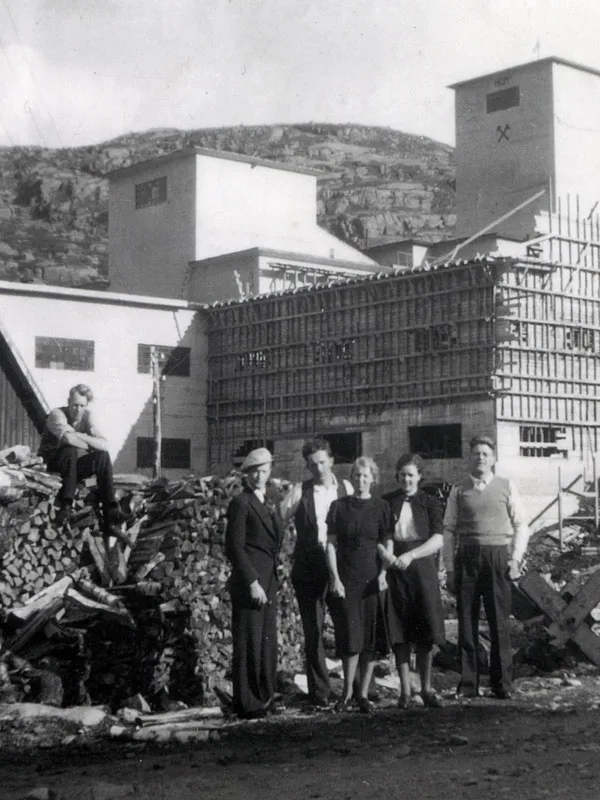
When the war came to the mountains
During the Second World War, the remote mining community became part of the history of the war. Knaben was then the only mine in Europe producing molybdenum, which the war industry needed.
The Germans came to Knaben as early as 17 May 1940. Within a short time, the occupying power took control of the mines.
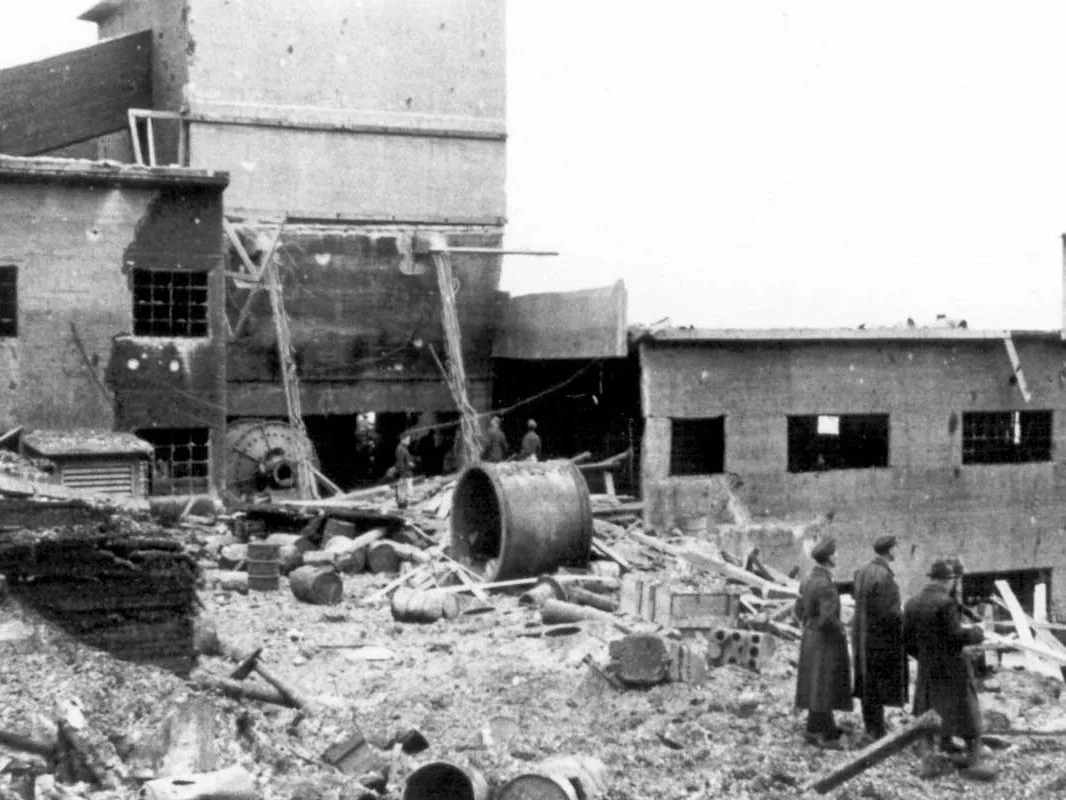
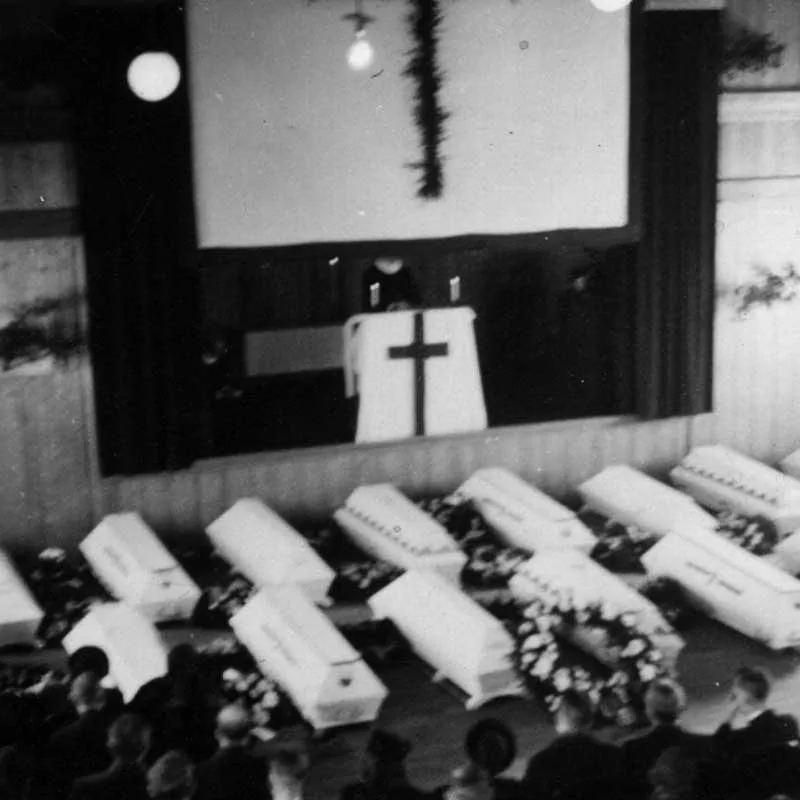
It became important for the Allies to prevent German access to the metal. Twice the mines at Knaben were bombed by Allied aircraft.
Attack I3 March 1943
10Mosquito aircraft
Attack I: 3 March 1943 – ten British Mosquito aircraft dropped bombs low over Knaben. 16 Norwegians and a German mining engineer were killed.
Attack II16 November 1943
~130B-17 bombers
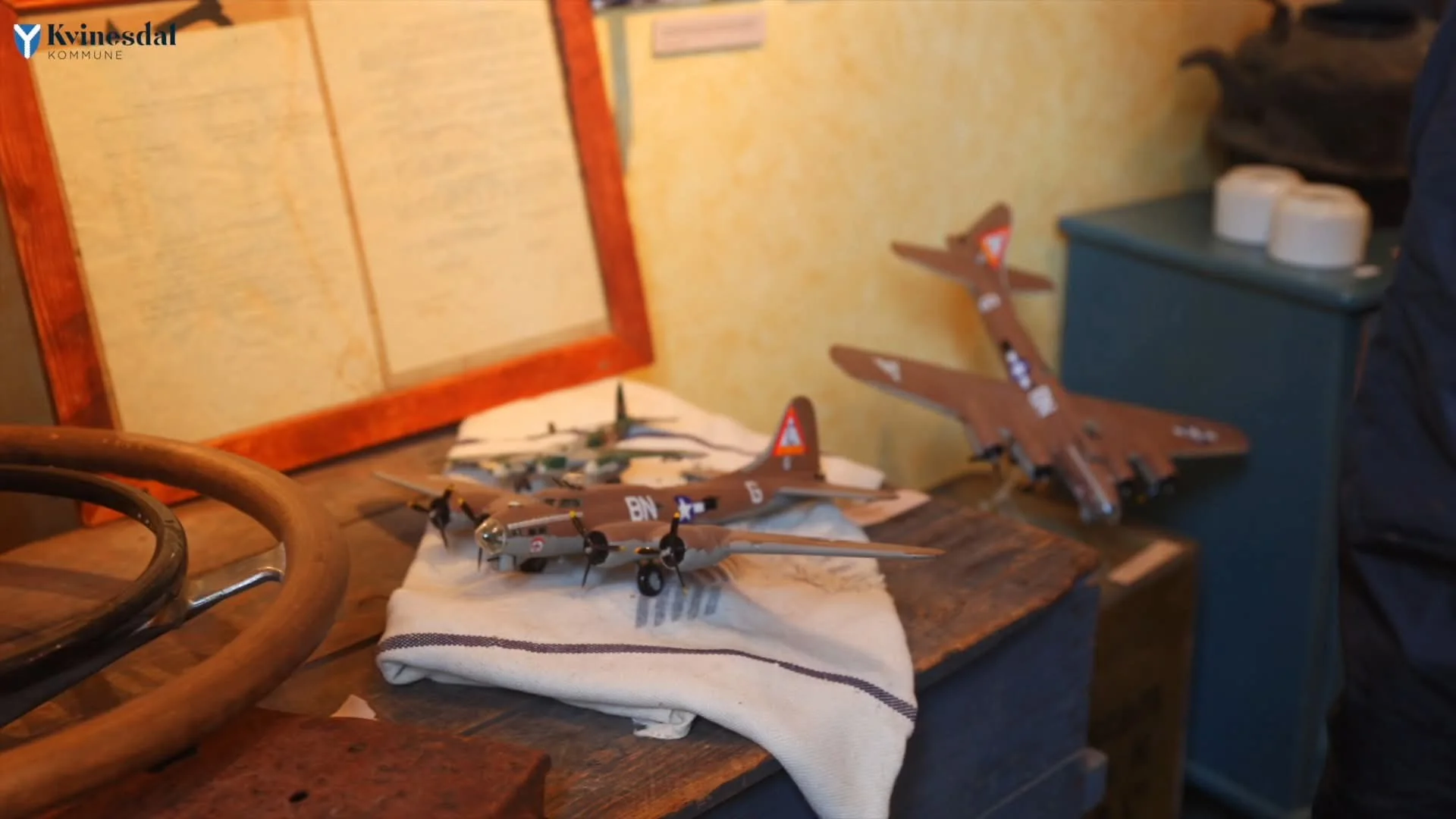
Attack II: 16 November 1943 – about 130 American B-17 bombers attacked Knaben. The difficult light and wind conditions gave the civilians plenty of time to get away and take cover. No Norwegians lost their lives; how many Germans were killed is unknown.
The miners kept the wheels turning. The Knaben community developed its own identity, and families lived side by side. The mines were both working life and everyday life. After the war, however, the workforce changed. It became known that the drilling dust in the mine was bad news for your health. Many moved away, others emigrated to the USA.
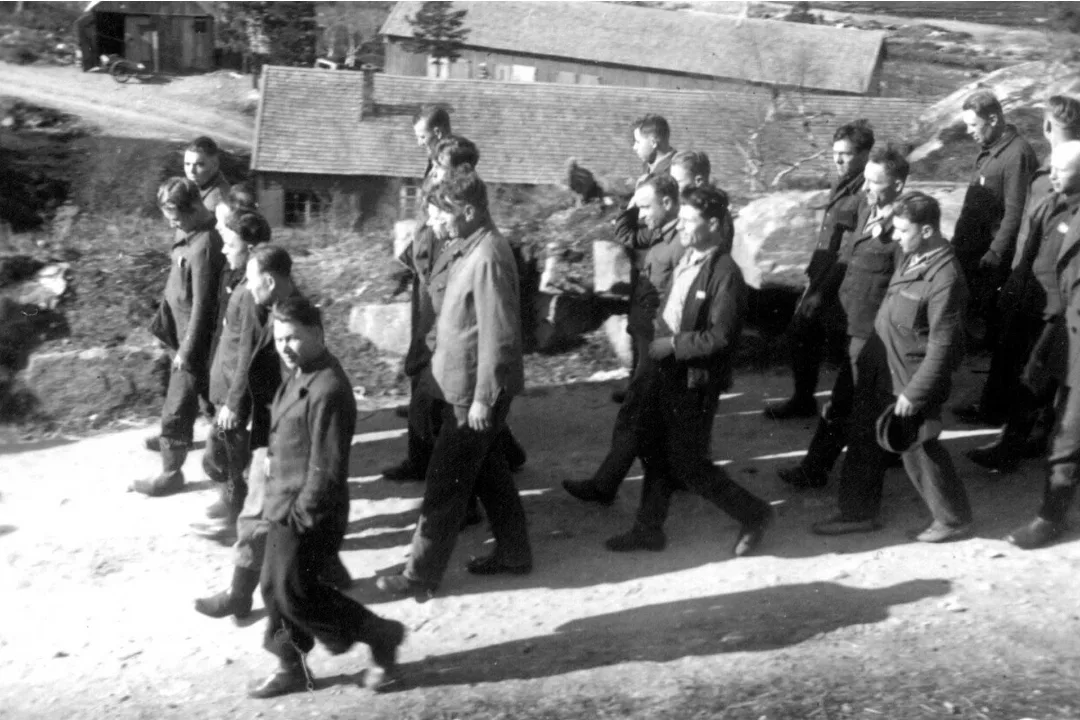
Instead, many young families came to Knaben from northern Norway. Northern Norwegian dialects gradually became very dominant – even the local southerners picked up the northern way of speaking!
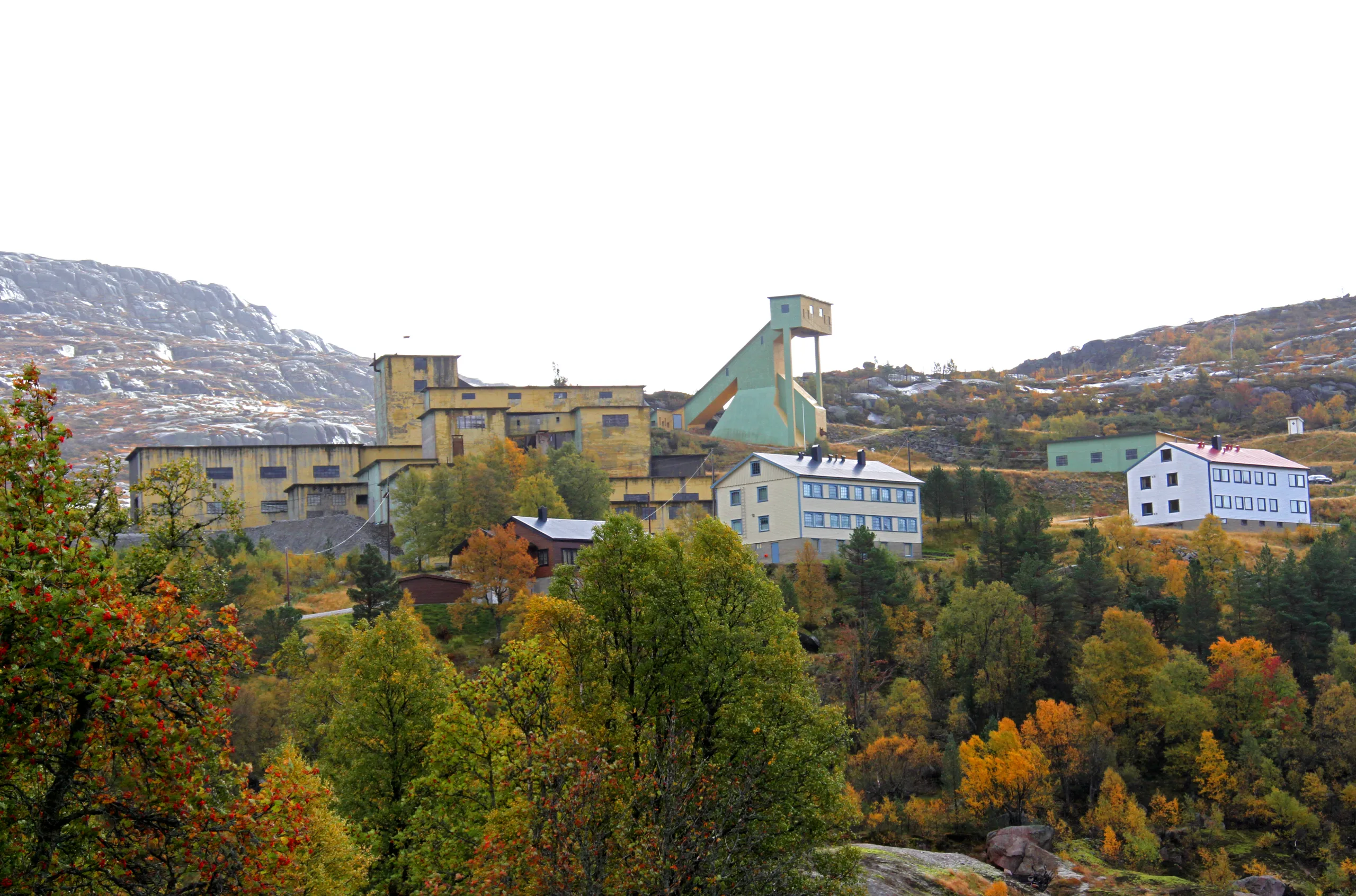
The news that the Knaben mines would close came as a surprise to the residents. But the hard facts were that the company behind them was no longer making enough money from the operation. On 30 April 1973 the mining adventure was over. And with the removal vans went the foundation of the special community that had grown up around the mines. But the buildings and the landscape remained, as visible witnesses to an important part of Norwegian industrial history.
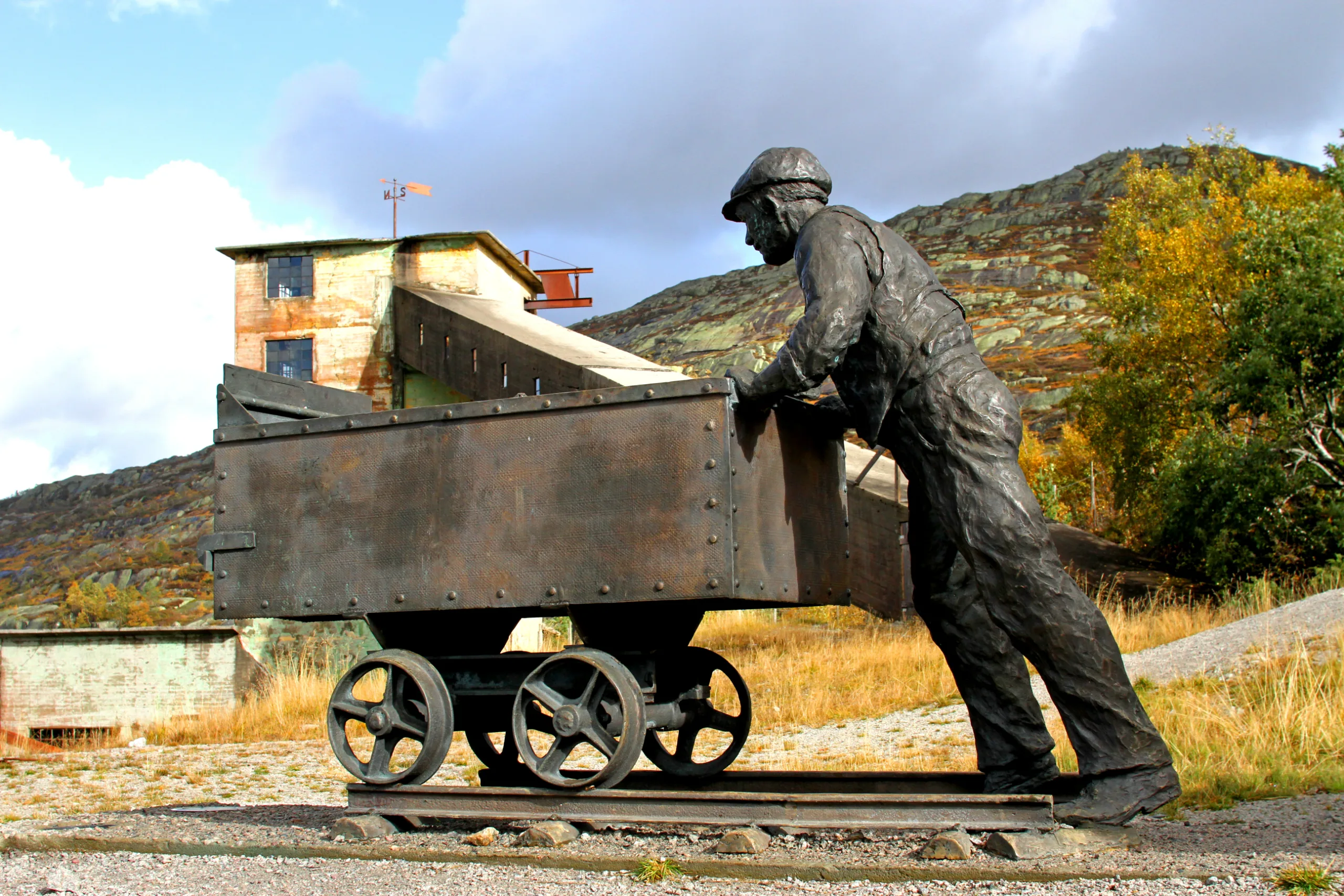
Today Knaben is a cabin area. Visitors have taken over Knaben for fresh mountain air and outdoor activities. There is an outdoor school, cabins, ski lifts and a museum with a visitor mine. And the village shop is still open – self-service, from 7 am to 11 pm! History and nature in perfect harmony.
Visit
Knaben Gruvemuseum
Experience the history of Knaben
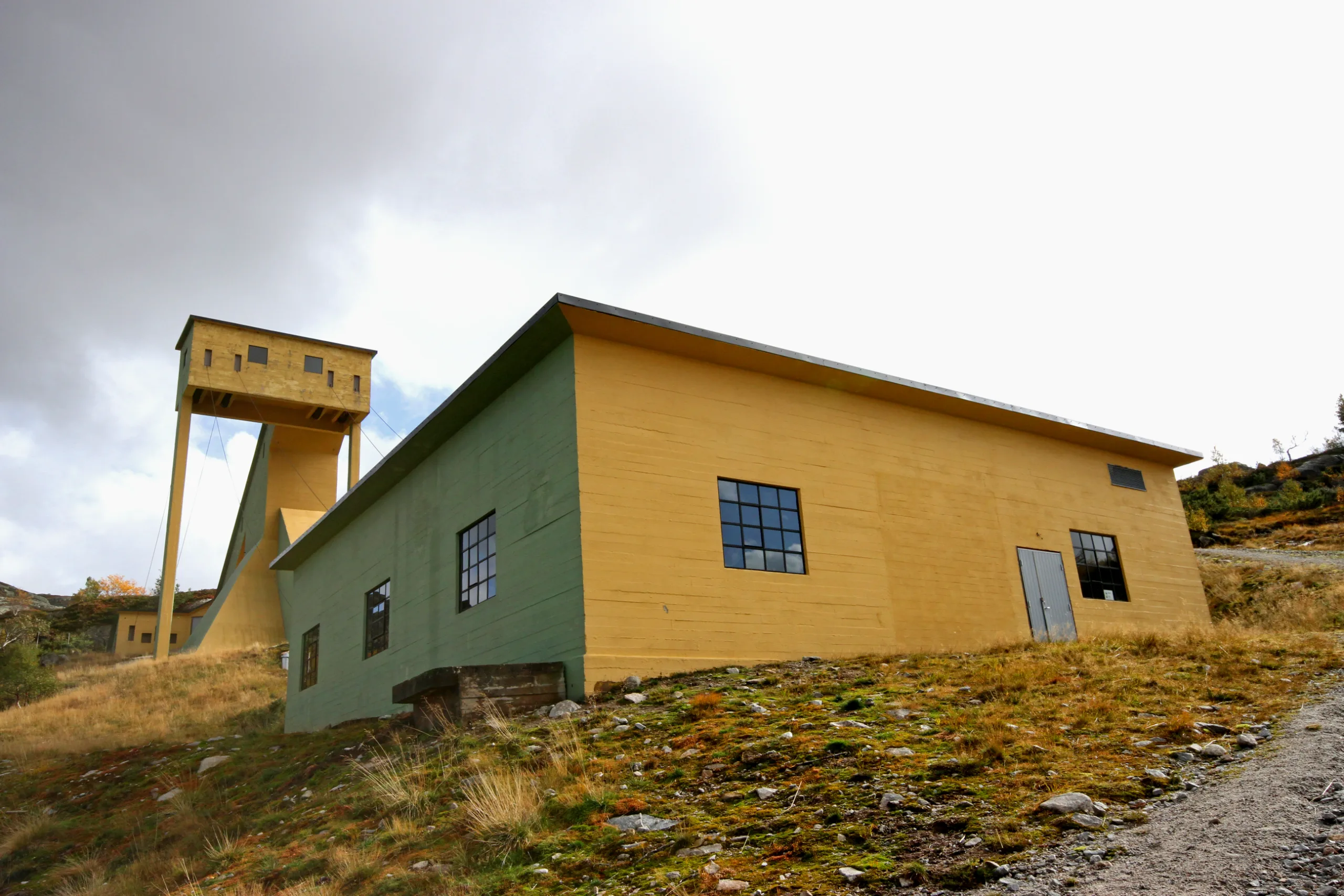
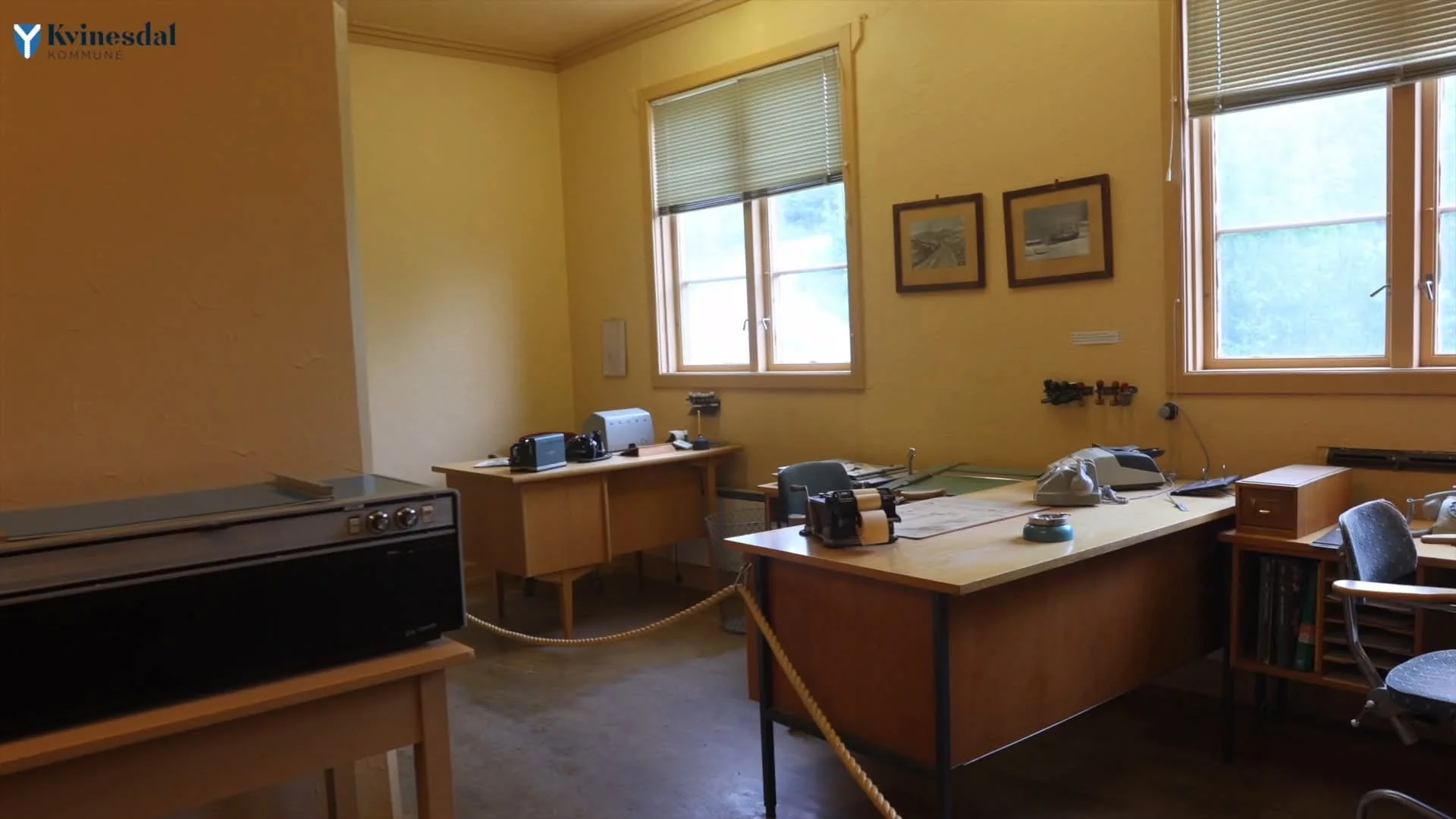
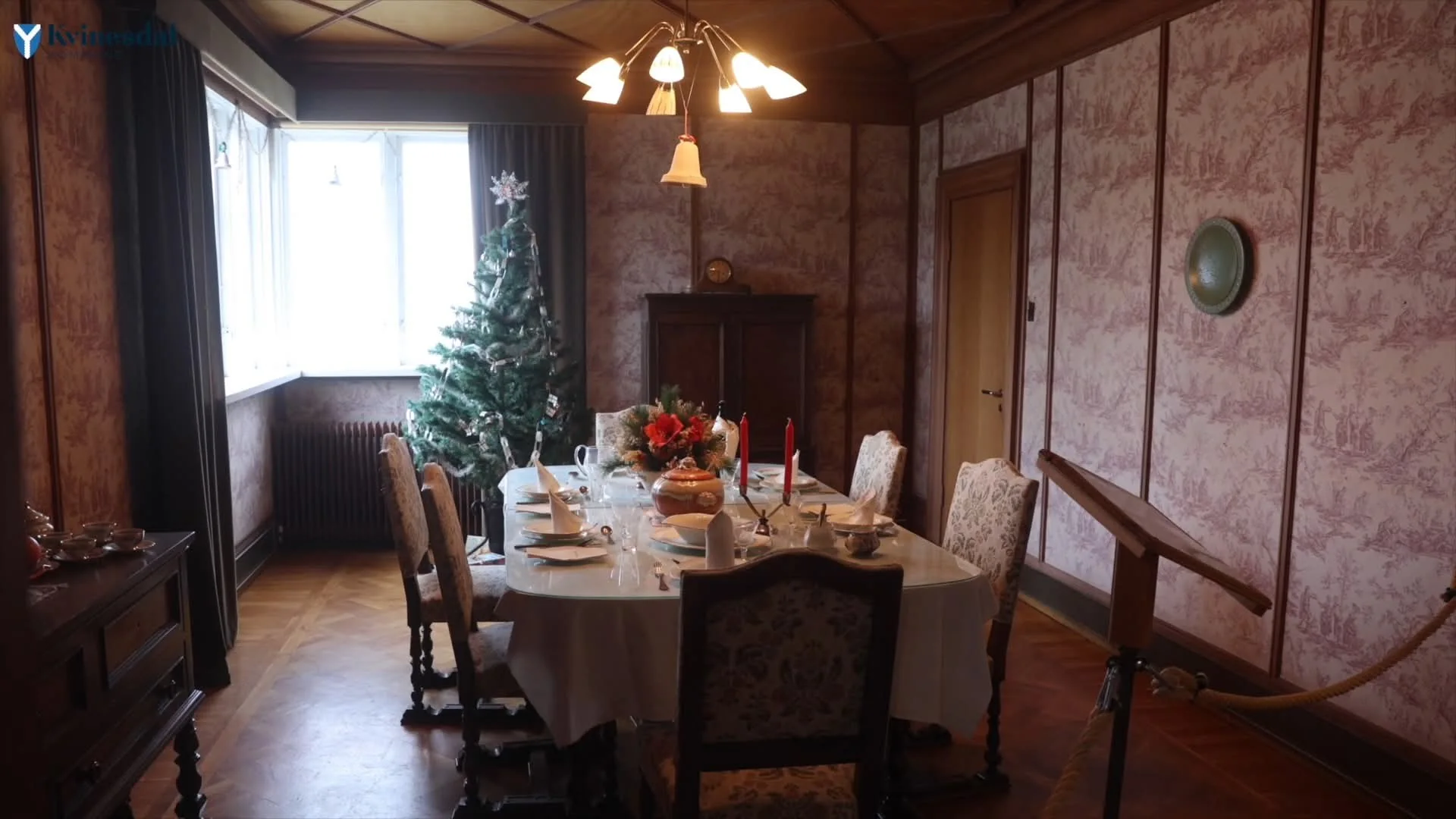
In the mining company’s old administration building lies Knaben Gruvemuseum, the mining museum, where the history of the mining community comes to life. Here you get an insight into the everyday lives of those who lived and worked at Knaben, and what life was like in the little mining town. The museum also tells the story of the dramatic war years. A restored air-raid shelter and a simulated air raid give an impression of how the Second World War left its mark on the community.
Step inside «Den forlatte gruve», the abandoned mine
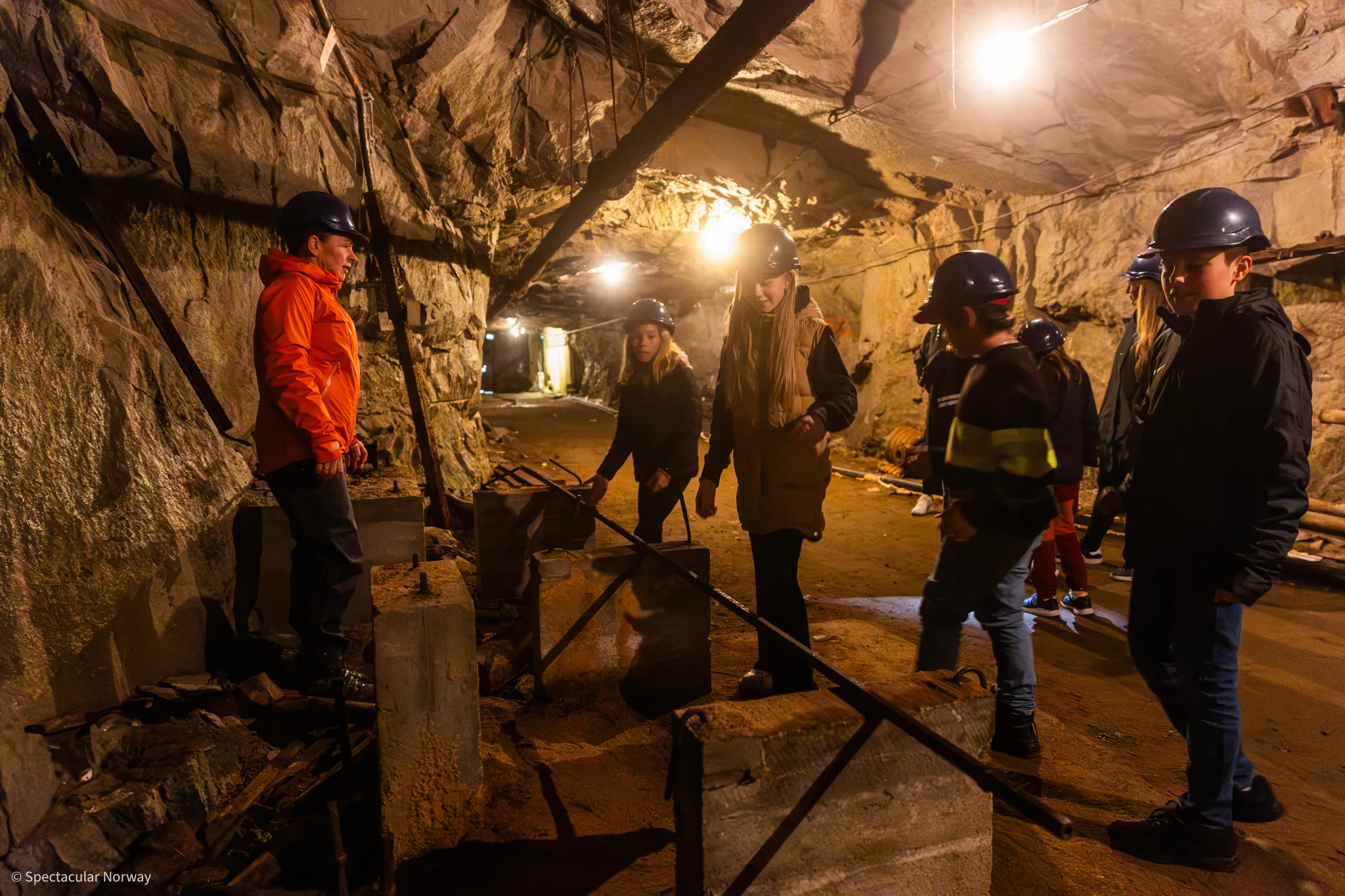
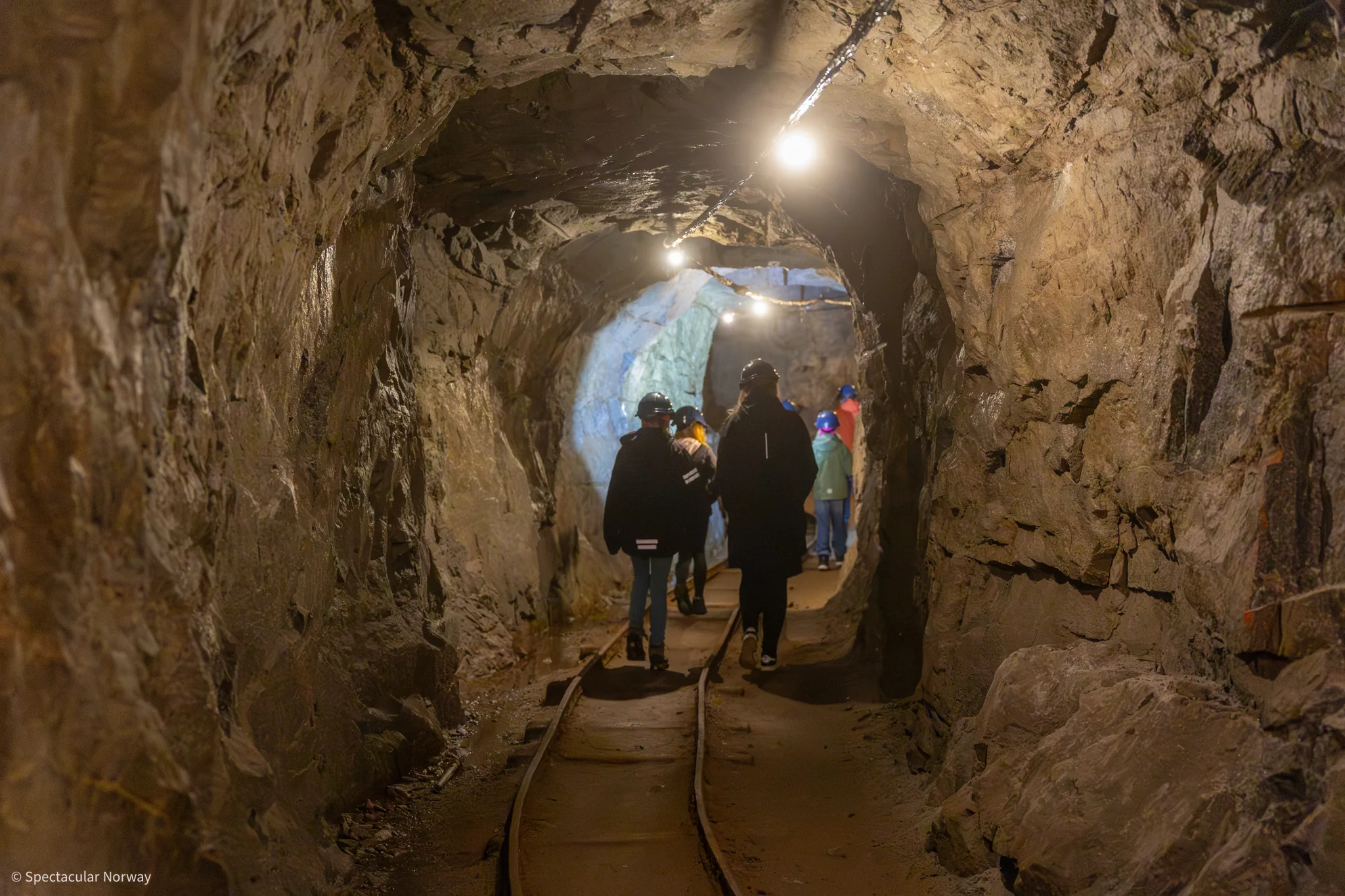
For many years, visitors have been able to go into parts of the old mine at Knaben. Before the tour starts, participants get a short introduction to the history of the mine and a safety briefing, before the helmets go on.
The tour goes through the mine, where you see the main shaft, the dynamite store and the large crusher, among other things. The way on goes up a steep staircase and out by the monument to the miner. For those who want to, it is also possible to go up into the mine tower.
Note: The mine can only be visited with a guide.
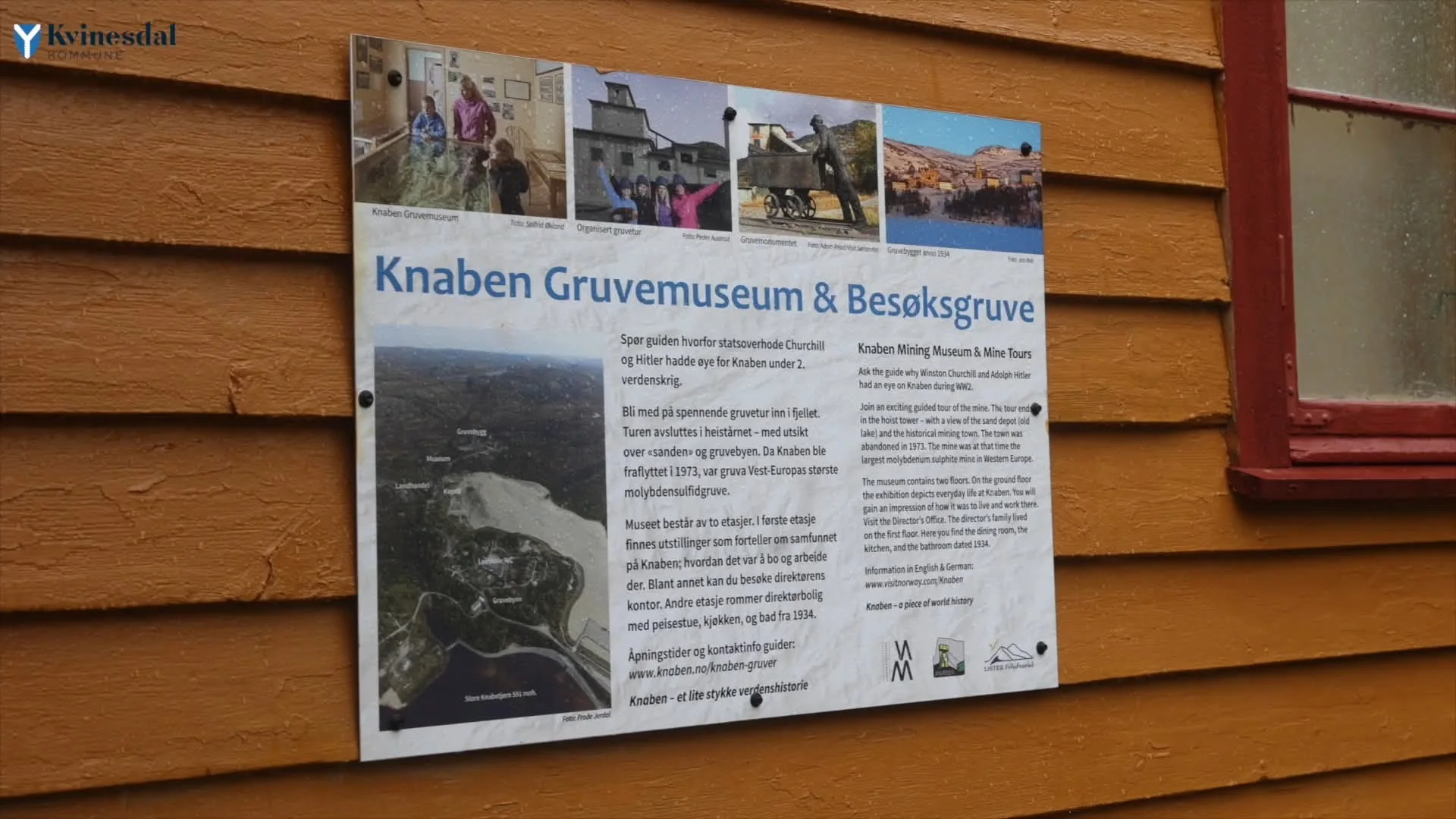
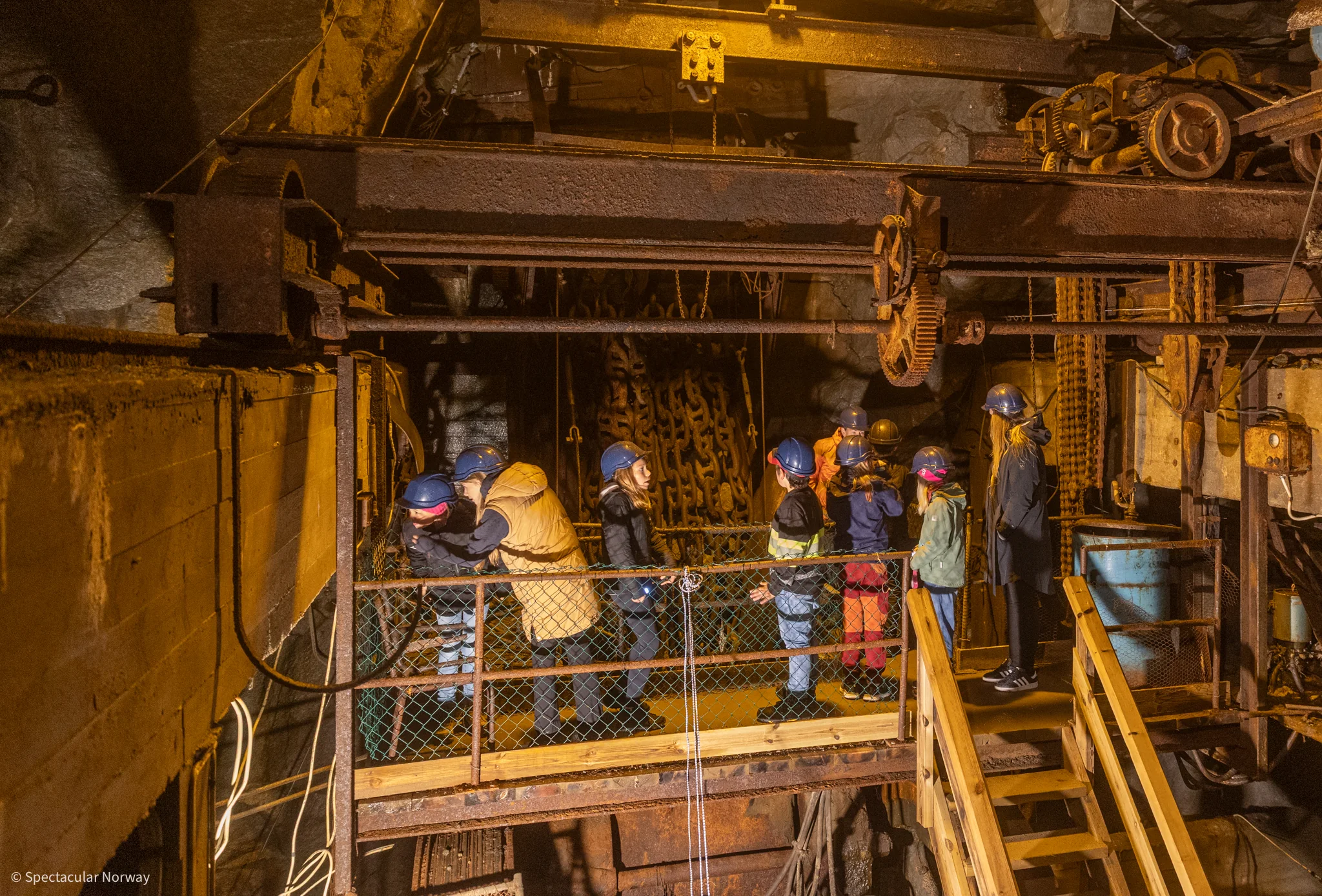

Welcome to Knaben Gruvemuseum og Besøksgruve.Photo: Spectacular Norway
1 / 6
More information: visit
Knaben.noFrom a busy mining community to a place where history meets today’s mountain life: Knaben has changed, but the past is never far away.
Film about Knaben
30 sec · with sound
Film: Spectacular Norway